
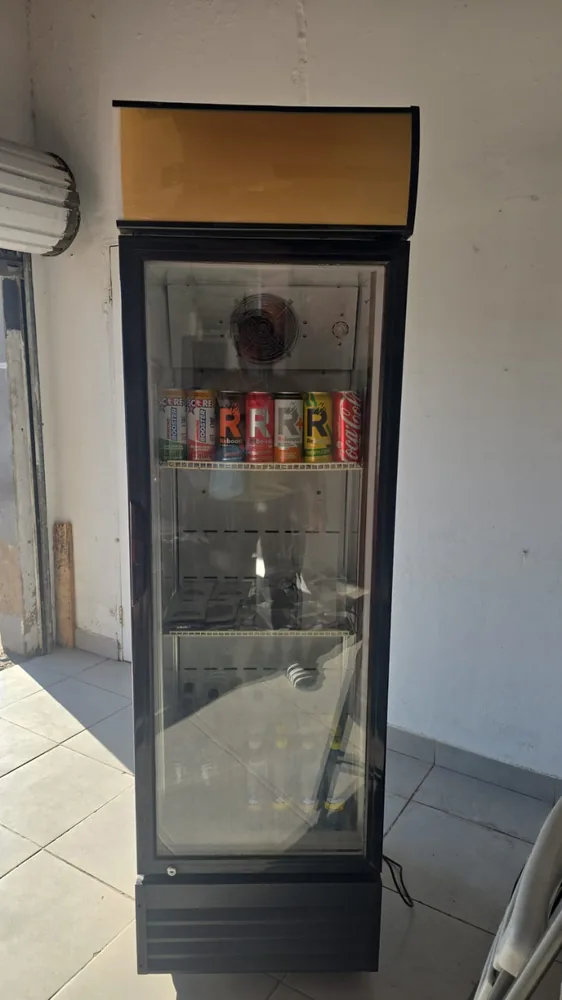
Cold room repairs: diagnose the system and protect the contents
A walk-in cold room is more than a compressor and an insulated box. Evaporator airflow, doors, defrost cycles, controls, insulated panels and refrigeration capacity work together to maintain the required storage conditions. When a Ballito cold room warms up or accumulates excessive ice, we focus on the reported symptoms and operating history rather than treating every complaint as a refrigerant problem. Managers must separately decide how to protect any stock at risk.
Restaurant deliveries, frequent loading, long door-open periods and warm ambient conditions can expose weaknesses in a cold room. Persistent warm temperatures may come from a mechanical fault, inappropriate use, failed insulation or an installation that is undersized for current turnover. A room that keeps restarting may also have electrical and safety-control issues.
Problems and conditions worth checking
Different symptoms require different tests. The examples below help explain what may be involved; they are not a diagnosis from a distance.
Room temperature rises or fluctuates
Causes may include a failed evaporator fan, compressor or controller, an obstructed condenser, damaged door seals or excessive warm product loading.
Heavy ice on evaporator or doors
Defrost heater, timer, sensor, drain or air-leak problems can produce icing. Ice accumulation can further restrict airflow and create a cycle of poor performance.
Water on the floor
Blocked defrost drains, poor floor falls, condensation or worn door seals can create slips and possible electrical hazards.
Alarms or repeated shutdowns
An alarm may indicate temperature, pressure, control or power problems. Note the code and timing; do not defeat protective cut-outs.
Safe checks before contacting us
- Record room temperature, setpoint, alarm messages, stock type and how long temperatures have been outside the required range.
- Move or protect temperature-sensitive stock according to the site food-safety or product-handling procedure.
- Check that cartons are not obstructing evaporator airflow and inspect accessible door seals without opening technical panels.
- Do not chip ice from coils, bypass alarm switches or touch damaged electrical equipment.
Send the model and a clear description so we can discuss the next step.
How an appropriate assessment works
- Identify room duty and alarm history: The room target temperature, loading cycle, recent changes and controller indications frame the assessment.
- Check airflow and envelope: Evaporator fans, doors, seals, drain paths, panel joints and external condenser ventilation are reviewed.
- Test the refrigeration controls: Defrost operation, sensors, electrical functions and cooling performance are assessed as relevant.
- Agree corrective work and monitor: After approved repair, confirm operating trend and whether the room returns to its specified target under normal loading.
Repair, maintenance or replacement?
Replacement of a fan, controller sensor, gasket or drain component may restore a sound installation. Extensive panel degradation, repeated major compressor failure or major corrosion may justify wider refurbishment or replacement. A system serving a larger load than originally designed may require engineering reassessment, not repeated minor repairs.
What can affect the price?
The quotation depends on room size, temperature range, plant layout, fault testing, access to roof or plant areas, component availability and whether stock must be relocated. Access and safety arrangements for commercial premises should be discussed beforehand.
Practical prevention and aftercare
- Maintain a clear temperature and alarm log, with action taken when limits are exceeded.
- Inspect doors, hinges, curtains, seals and drainage to reduce recurring warm-air infiltration.
- Plan periodic review of condensers, evaporators, controls and safety devices by appropriate personnel.
Booking information that helps us plan
Share the room purpose, nominal temperature range, actual readings, error alarms, plant make/model, door condition and details of safe equipment access.
For properties in Ballito, Salt Rock, Shaka’s Rock, Sheffield Beach and nearby communities, please include the exact location and any access or parking restrictions. Service availability and scope are confirmed when you enquire. You can review the service-area directory before booking.
Related services and further guidance
Frequently asked questions
What is the first step when a cold room warms up?
Record temperatures and time, protect sensitive stock under your site procedures, and report the alarm and equipment details. Do not wait for repair before addressing product safety.
Why does ice build up on the evaporator?
Defrost, airflow, sensor, drainage or door infiltration problems are common possibilities. A proper diagnosis identifies which is occurring.
Can a leaking door seal affect temperature?
Yes. Warm, humid air entering through a damaged seal can add cooling load and contribute to condensation and icing.
Should I reset an alarm repeatedly?
No. Note the code and follow the equipment operating procedure. Repeated resets can hide a fault or defeat a protective response.
What if the system is too small for current stock volume?
A capacity or operating-pattern review may be needed. Replacing a small component will not solve an ongoing design shortfall.
Is stock safe once the room cools down again?
Not necessarily. Product safety depends on exposure time, temperature and relevant handling procedures, not just the final room reading.